Synopsis
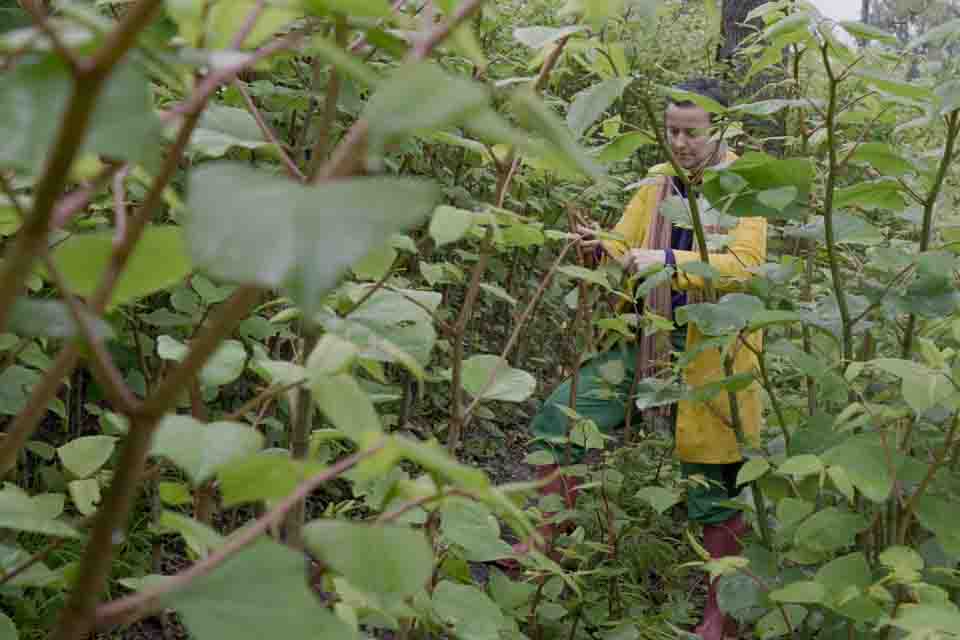
While foraging has traditionally been often associated with necessity and survival, a new phenomenon is emerging in the affluent landscapes of Western societies: neoforaging. Rooted more in abundance and privilege than in scarcity, a growing number of individuals are turning to ancient foraging practices. Some seek inspiration from hunter-gatherer and indigenous lifeways, aiming to revive them; others pursue a deeper connection to nature.


By dedicating themselves to this lifestyle, neoforagers take an active step away from their predominant – capitalist, neoliberal, technofeudal – system. For them, investing time and energy into foraging becomes an act of resistance – a slow food alternative to fast-paced consumerism and a counter-narrative to the unsustainable global food industry. As they search for mushrooms, harvest wild plants and gather herbs, these individuals not only nourish their bodies but find purpose and resilience against the backdrop of today’s climate crisis, political turmoil and profound human-nature disconnection.
At its core, this project asks: What does wild food bring to our lives? With an emphasis on the intersection of personal, political and environmental crises, we aim to understand why individuals choose to engage in foraging over the ease and convenience of supermarket access. Is neoforaging a form of liberation, a reclaiming of control over one’s food, health, and relationship with the environment? Or is it simply a temporary retreat from the challenges of modernity? This project grapples with these questions while also exploring the tension between the counter-capitalist ideals of many neoforagers and the practical realities of navigating within capitalist societies. Foraging is seen as a potential pathway to “nowtopia” where visions of a better world become tangible, are enacted in everyday life. In times marked by overwhelming ecological and social challenges, neoforaging offers a liberating and holistic lifestyle that is both an escape from and a response to these crises.
Field sites
This project explores the neoforaging movement through three distinct field sites, investigating the social, political, and personal dynamics that shape contemporary foraging practices. Each site provides a unique perspective on the movement:
-
Germany: Urban foragers in cities like Munich, where the practice blends an exploration of individual health and well-being with ecological activism.
-
Portugal: An expat forager community in Castelo Branco, repopulating an abandoned rural area and exploring alternative ways of living in closer harmony with nature.
-
Israel: A village close to the West Bank border, where foraging intersects with the geopolitical realities of the region, adding complexity to the search for healing and belonging.


Methodology and current state
The project employs an audiovisual ethnographic approach, combining participatory observation with in-depth interviews and collaborative filmmaking. By integrating multisensory methods, it reflects on the question of how audiovisual research and representation can enrich academic inquiry and outcomes.
Through long-term, immersive fieldwork, the team has been deeply involved in the daily lives of three primary research participants, who have become not only protagonists but co-authors in this collaborative visual ethnography. Their personal stories reveal the deeper meanings of their foraging practices. Workshops held in February 2023 and March 2024 brought together research participants from Germany, Portugal and Israel for cross-cultural exchanges, further deepening the collaborative nature of the project.
Expected Outcomes
The project’s primary outcome is a feature-length documentary with the working title What Grows, which follows the stories of three foragers in Germany, Portugal and Israel. This film invites viewers to reimagine our own relationships with food, nature and the systems that sustain us.
By highlighting the experiences of neoforagers, the documentary and accompanying research aim to showcase the transformative potential of foraging in addressing global crises. It offers a glimpse into alternative ways of living and the possibilities for resilience and adaptation in the Anthropocene.